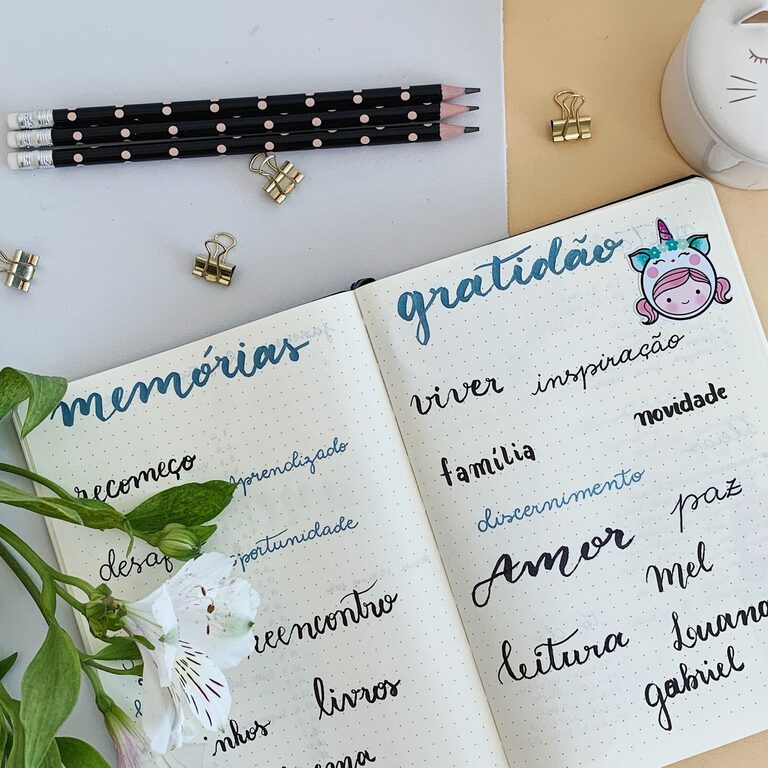











Journaling is more than just putting pen to paper—it’s a powerful tool to clear your mind, sharpen your focus, and gain insight into your thoughts and goals. Whether you feel overwhelmed by daily distractions or want to improve your productivity, developing a journaling habit can help you regain clarity and stay centered on what matters most.
In this guide, we’ll walk through effective ways to journal for clarity and focus, explain the benefits, and share practical tips to get started. No matter your experience level, you’ll find actionable steps to create a mindful journaling routine that supports your well-being and productivity.
Why Journal for Clarity and Focus?
Before diving into how to journal, let’s explore why it’s so beneficial:
– Organize Your Thoughts: Writing down ideas helps you sort through mental clutter so your mind feels less crowded.
– Set Clear Priorities: Journaling encourages you to identify what’s important and develop a plan to tackle your tasks.
– Increase Self-Awareness: Reflection through writing improves understanding of your emotions and thought patterns.
– Reduce Stress: Expressing worries or frustrations on paper can lighten your emotional load.
– Boost Concentration: Regular journaling trains your mind to focus on one thing at a time, improving attention.
With these benefits in mind, here’s how to start journaling effectively.
Getting Started: What You Need
You don’t need fancy tools to journal—just a notebook or digital app and a few minutes each day. Here are some options:
– Traditional Notebook: A simple lined or blank journal works well for many.
– Digital Journaling Apps: Apps like Day One, Journey, or even a notes app on your phone can be convenient.
– Dedicated Time: Aim for 5–15 minutes daily, ideally at the same time to build consistency.
– Quiet Space: Find a comfortable place with minimal distractions to help you focus.
Step 1: Choose Your Journaling Style
Different styles serve different purposes. Here are some ways to journal for clarity and focus:
Free Writing
Write continuously for a set time without editing or pausing. This method uncovers hidden thoughts and feelings by letting your mind flow freely.
Prompt-Based Journaling
Use questions or prompts to guide your writing. Prompts related to clarity and focus might include:
– What are my top three priorities today?
– What distractions do I want to avoid?
– What thoughts are occupying my mind right now?
– How do I want to feel by the end of the day?
Lists and Bullet Points
Listing tasks, goals, or worries can visually organize your thoughts and make next steps clearer.
Reflective Journaling
At day’s end, write about what went well, what could improve, and lessons learned to deepen self-awareness.
Step 2: Set an Intention for Each Session
Before writing, take a moment to decide what you want to achieve:
– Clear mental clutter
– Identify priorities
– Solve a problem
– Express emotions
– Plan your day
Setting an intention helps focus your writing and makes the practice more effective.
Step 3: Write with Honesty and Compassion
To gain true clarity, be honest with yourself. Avoid judgment or censorship—your journal is a safe space. Treat yourself with kindness, especially if writing about challenges or mistakes.
Step 4: Use Simple Techniques to Boost Focus
Try these tips to stay focused while journaling:
– Set a Timer: Use a timer for your journaling period to create boundaries.
– Write by Hand: Writing manually can increase engagement and mindfulness.
– Minimize Distractions: Turn off notifications and sit in a quiet spot.
– Start Small: Begin with just a few sentences and gradually increase.
Step 5: Review and Reflect Regularly
Occasionally read back through your journal entries to spot patterns, progress, or recurring themes. This practice deepens insight and keeps your goals in sight.
Sample Journaling Routine for Clarity and Focus
Here’s an example of a daily journaling routine:
- **Morning (5 minutes):**
– Write down your main goals for the day.
– Note any worries or distractions you want to manage.
- **Midday (optional, 3 minutes):**
– Jot down how the day is going.
– Adjust your focus if needed.
- **Evening (10 minutes):**
– Reflect on accomplishments and challenges.
– Identify lessons learned.
– Plan for tomorrow.
Feel free to customize timing and prompts to fit your lifestyle.
Troubleshooting Common Challenges
– No Time to Journal: Even 3 minutes counts. Try journaling while having your morning coffee or before bed.
– Not Sure What to Write: Use prompts or simply describe your surroundings and feelings.
– Feeling Blocked: Start with a list or free-write whatever comes to mind without worrying about quality.
– Inconsistency: Link journaling with an existing habit, like brushing your teeth, to create a routine.
Final Thoughts
Journaling for clarity and focus doesn’t require perfection or a strict schedule. The key is making it a regular, mindful practice that suits your needs. Over time, you’ll likely notice improved mental clarity, better productivity, and enhanced self-awareness.
Start small today—grab a notebook, set a timer, and see where your thoughts take you. Your journal can become a trusted tool for navigating life’s complexities with calm and purpose.