










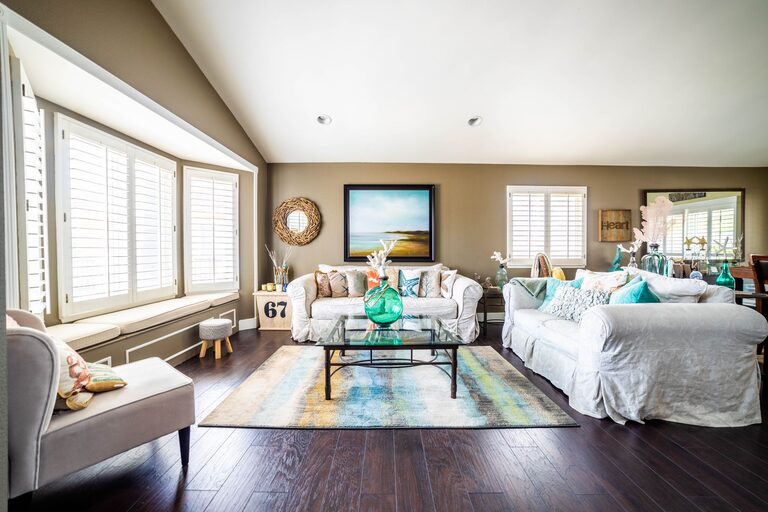
Dark rooms can feel cramped, gloomy, and less inviting. Whether you live in an older home with limited natural light or your layout just isn’t ideal, there are plenty of easy, affordable ways to make a dark room feel brighter and more cheerful. In this post, we’ll explore practical tips that can breathe new life into your space without a major renovation.
Understanding Why Your Room Feels Dark
Before diving into solutions, it helps to understand the common reasons a room might seem dark:
– Limited windows or small window size
– Heavy window treatments that block light
– Dark wall colors or flooring
– Clutter or large furniture blocking natural light paths
– Insufficient artificial lighting
Knowing what’s causing the issue can guide you to the right fixes.
1. Maximize Natural Light
Bringing in more natural light is the easiest and most pleasant way to brighten a room.
Use Sheer or Light Curtains
Replace heavy drapes with sheer or light-colored curtains that let sunlight filter through. You can also try blinds that open fully during the day.
Keep Windows Clean
It sounds simple, but clean windows let in significantly more light than dirty or dusty ones.
Remove Obstructions
Trim outdoor bushes or trees that block light from entering your windows. Inside, arrange furniture to avoid blocking window areas.
2. Choose Bright and Reflective Colors
Color has a huge impact on how light or dark a space feels.
Opt for Light Wall Colors
Whites, creams, pastels, and light grays reflect sunlight and artificial light better than dark hues. Consider repainting dark or bold walls to lighter shades.
Use Reflective Surfaces
Glossy or satin finishes on walls, furniture, and decor can bounce light around the room. Mirrors are especially powerful at amplifying light and creating the illusion of space.
3. Add Mirrors Strategically
Mirrors are a classic trick for brightening rooms.
– Place a large mirror opposite or near a window to reflect natural light deeper into the room.
– Use multiple smaller mirrors on a feature wall to create an interesting focal point and add brightness.
– Consider mirrored furniture or decor accessories for subtle light reflection.
4. Layer Your Lighting
Relying on just one overhead light often leaves rooms shadowy in certain areas. Layering different types of lighting helps create a bright, balanced space.
Ambient Lighting
This is your main source of light, like ceiling fixtures or recessed lights.
Task Lighting
Add floor lamps, desk lamps, or under-cabinet lights where you need focused illumination, such as reading spots or kitchen counters.
Accent Lighting
Use wall sconces, LED strips, or table lamps to highlight artwork or architectural features and add a warm glow.
Use LED Bulbs with Higher Lumens
Choose LED bulbs with higher brightness (lumens) and a color temperature of around 3000 to 4000K for a natural, inviting light.
5. Declutter and Choose Light Furniture
Clutter and bulky furniture can absorb light and make a room feel closed in.
– Keep surfaces tidy and organized to avoid shadows and dark corners.
– Use furniture with slimmer profiles and lighter colors, such as white, beige, or pale wood finishes.
– Glass or acrylic furniture pieces reflect light and take up less visual space.
6. Incorporate Light-Colored Textiles
Soft furnishings also affect the room’s brightness.
– Pick light-colored rugs, cushions, and throws to add brightness and texture.
– Avoid heavy, dark fabrics that absorb light.
7. Add Plants for Freshness and Light Contrast
Houseplants can brighten a room by adding life and color contrast.
– Choose plants with bright green leaves or variegated patterns.
– Place them near windows or light sources to enhance their effect.
8. Use Light-Enhancing Wall Art
Artwork with bright colors, metallic accents, or white backgrounds can reflect light and add visual interest.
– Position art where it can catch light or be illuminated by accent lighting.
9. Consider Architectural Changes (If Possible)
If you’re up for a bigger project:
– Replace solid doors with glass-paneled versions to let light through.
– Add skylights or solar tubes for natural overhead light.
– Open up walls or create wider doorways to allow light flow between rooms.
Final Thoughts
Brightening a dark room doesn’t have to be complicated or expensive. By thoughtfully combining light colors, mirrors, layered lighting, and decluttering, you can transform even the gloomiest room into a bright, welcoming place that feels larger and more cheerful. Start with small changes and see which ideas make the biggest difference in your space!