










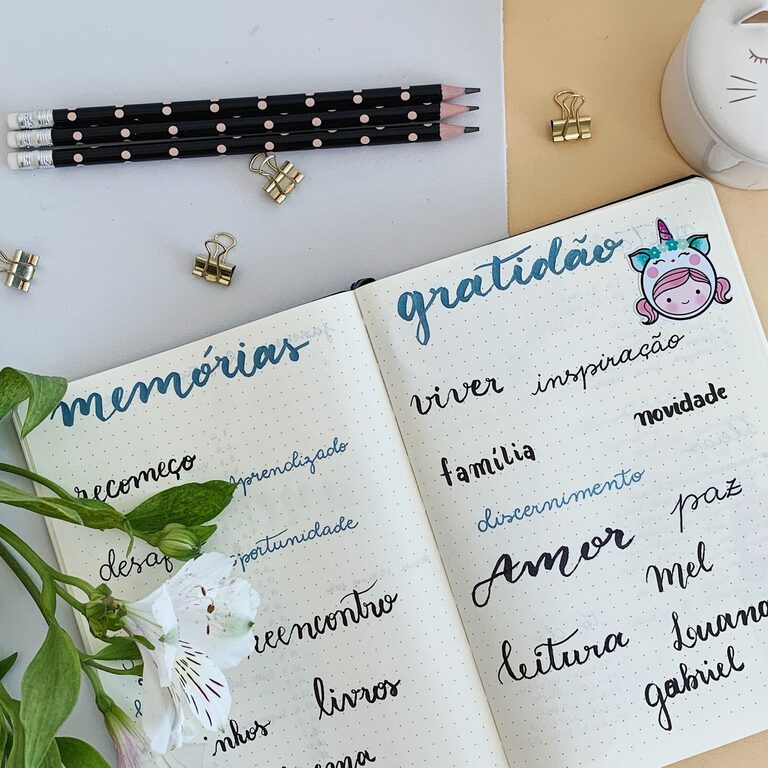
Starting a gratitude journal is a wonderful way to boost your mood, increase happiness, and develop a positive outlook on life. Whether you’re new to journaling or simply looking to add more gratitude into your daily routine, this guide will walk you through everything you need to know to get started—with practical tips and ideas to keep you inspired.
What Is a Gratitude Journal?
A gratitude journal is a personal diary where you regularly write down things you are thankful for. This simple practice helps shift your attention from challenges or negativity to recognizing and appreciating the good in your life. Over time, it can foster a more optimistic mindset and improve overall well-being.
Why Keep a Gratitude Journal?
Research shows that practicing gratitude regularly can:
– Improve emotional health by reducing stress and increasing happiness
– Enhance relationships through appreciation and empathy
– Boost self-esteem and resilience
– Promote better sleep and physical health
By focusing on gratitude, you train your brain to notice positive experiences, even on difficult days.
How to Start Your Gratitude Journal
1. Choose Your Journal
Pick a notebook or journal that feels inviting to you. It doesn’t have to be fancy — a simple notebook or even a digital app will work. What’s most important is that you enjoy opening it and are comfortable writing inside.
2. Set a Routine
Decide when and where you’ll write. Many people find it helpful to write in the morning to set a positive tone for the day or at night to reflect on good moments. Try to make it part of your daily routine so it becomes a habit.
3. Keep It Simple
You don’t need to write essays — just a few sentences or bullet points about what you’re grateful for can be very effective. Some ideas include:
– People who made you smile today
– Positive experiences or accomplishments
– Things you enjoy in your surroundings
– Personal strengths or qualities you appreciate in yourself
4. Be Specific
Rather than vague statements like “I’m grateful for friends,” try to be specific: “I’m grateful for my friend Sarah helping me with my project today.” Details make your entries more meaningful and memorable.
5. Focus on the Present
Try to write about things you noticed recently or are currently experiencing. Focusing on the present moment increases awareness and helps you savor life’s small joys.
Tips to Maintain Your Gratitude Journal
Experiment with Different Formats
If writing long paragraphs feels challenging, try:
– Lists of three to five things daily
– Drawing or doodling your gratitude
– Writing letters to people you appreciate (you don’t have to send them)
Include Positive Affirmations
Along with gratitude, add affirmations or positive statements about yourself to boost confidence and motivation.
Reflect Regularly
Every few weeks, review past entries to remind yourself of the good things you’ve experienced. This can enhance your sense of progress and happiness.
Don’t Stress About Perfection
Gratitude journaling isn’t about writing perfectly—just honesty. Some days may be easier than others to find things to appreciate, and that’s okay.
Sample Gratitude Journal Entry
Here’s a quick example to help you get started:
Today, I’m grateful for the warm cup of coffee I enjoyed this morning. I appreciated the smile from the barista—it brightened my day. I’m thankful for my health and the ability to take a walk outside.
Final Thoughts
Starting a gratitude journal is a simple yet powerful tool for personal growth and happiness. By dedicating just a few minutes each day to acknowledge what you’re thankful for, you can cultivate a more positive mindset and enhance your overall quality of life.
Give it a try—you might be surprised by how much difference this small habit can make!